IMPACT OF BOOKING STATUS ON MATERNAL MORBIDITY AND MORTALITY IN A NIGERIAN TERTIARY HOSPITAL
Booking Status and Maternal Morbidity
DOI:
https://doi.org/10.5281/acs.v11i1.231Keywords:
Booking status, maternal morbidity, maternal mortality, Nigeria, unbooked pregnancyAbstract
Background: Booking status strongly predicts maternal health outcomes, particularly in developing countries. Women who are not registered for antenatal care (unbooked) frequently present late with complications and are a major contributor to adverse maternal outcomes. In this study, the impact of booking status on maternal complications and deaths at Delta State University Teaching Hospital (DELSUTH), Oghara, was assessed.
Methodology: We conducted a retrospective analytical study of case records of women who delivered at the Obstetric unit of the Delta State University Teaching Hospital and data were extracted on socio-demographic factors, obstetric history, complications and outcomes. Associations were examined using Chi-square test and predictors of adverse outcomes were determined using logistic regression
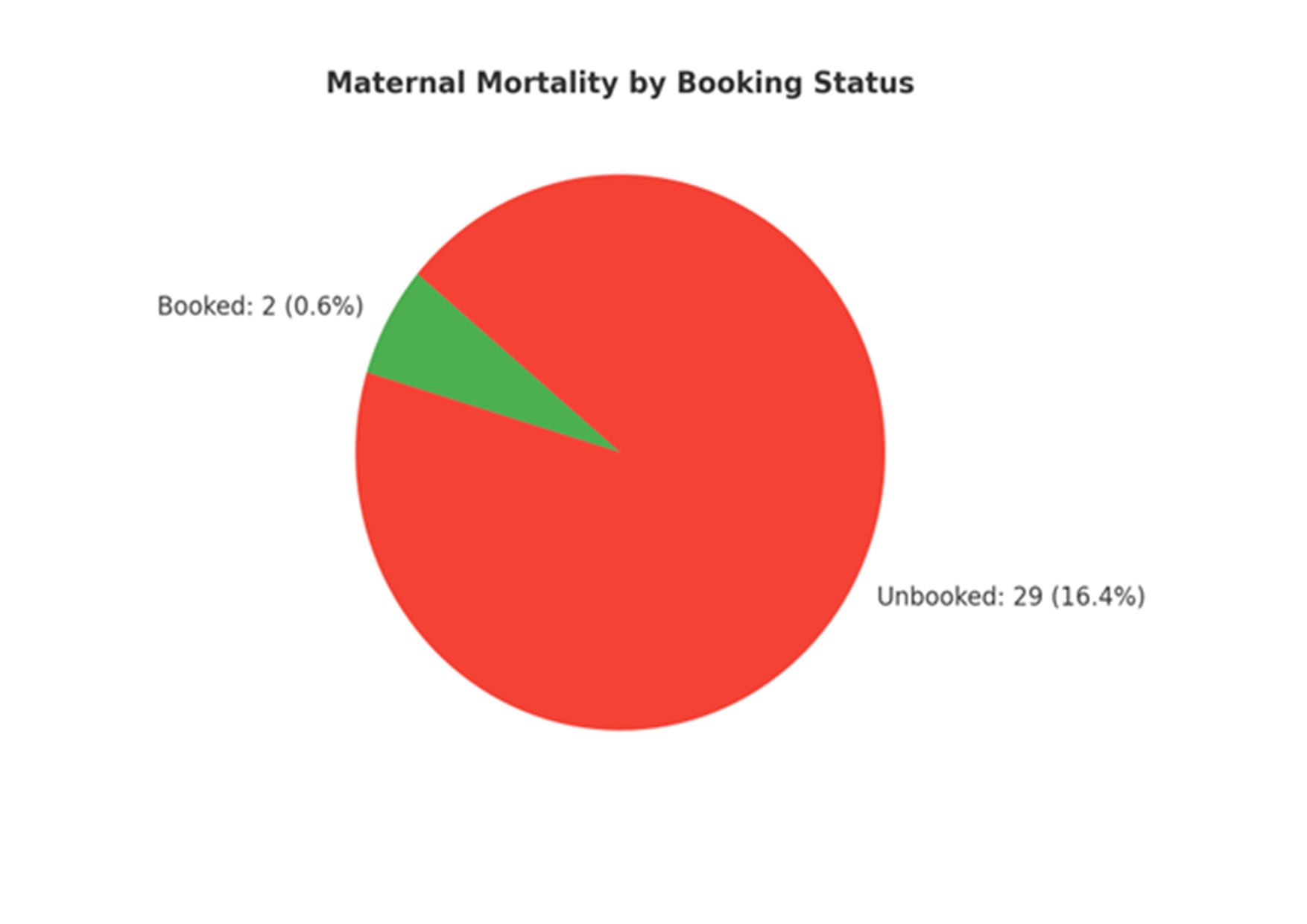
Results: Of the 508 women included in our study, 331 were booked and 177 were unbooked. Unbooked women had a higher rate of complication ((70.1% vs 32.9%, p < 0.001) and a significantly higher rate of maternal deaths (16.4% vs 0.6%) than the booked women. Compared to no formal education, participants with primary (AOR = 0.45, 95% CI: 0.23–0.91, p = 0.026) and secondary (AOR = 0.49, 95% CI: 0.31–0.80, p = 0.004) education had a lower odd of adverse maternal outcomes. In addition, postpartum haemorrhage (AOR = 3.031; 95% CI: 1.857–4.961; p < 0.001), hypertensive disorders (AOR = 3.04; 95% CI: 1.96–4.71, p < 0.001), and unbooked status (AOR = 5.18; 95% CI: 2.96–9.08, p < 0.001) correlated with maternal morbidity and mortality.
Conclusion: Unbooked pregnancies are a major cause of maternal morbidity and avoidable mortality and are highly correlated with poor maternal outcomes. Maternal morbidity and mortality can be significantly reduced by improving health education, lowering the costs of healthcare, expanding access to services, and promoting community involvement.